How to Plan a Themed Dinner Party: The Only Guide You'll Need
You've got the theme. Now here's how to actually plan the dinner party around it, from invitations and food amounts to décor and timing, without losing the fun of hosting.
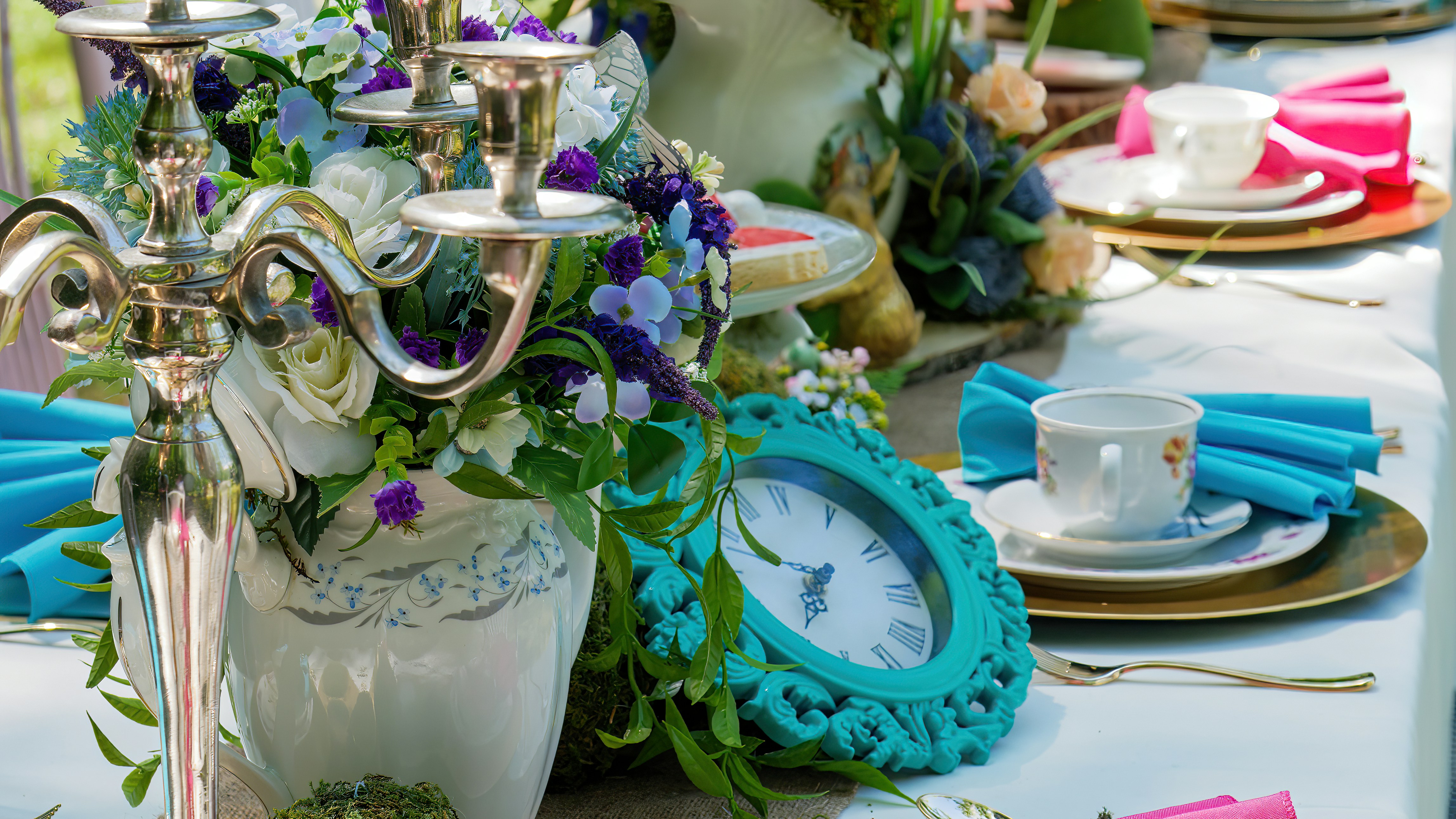
There's a reason the dinner party is having a moment again. It's small, it's personal, and it doesn't require a rented hall or a hundred RSVPs. You, a table, a handful of people you actually like, and a little bit of a plan. Honestly? That's plenty!
But here's what separates a dinner party people talk about later from one that feels like a slightly nicer Tuesday: a theme. Not a costume-party, over-the-top theme. Just one idea that ties the menu, the table, the music, and the drinks together. Once you've got that, almost every other decision gets easier.
This guide works for any theme you want to run with. Coastal Italian, retro supper club, Diwali feast, taco night, a moody French bistro, a full-on Great Gatsby thing. Pick yours, and plug it into the steps below. We'll walk through the parts that usually stress people out: when to send invitations, how to figure out how much food to buy, where to find decorations that feel pulled together, and how to time everything so you're not still running around and setting up when the doorbell rings.
Step 1: Pick a Theme You Actually Want to Host
The best theme isn't the most impressive one. It's the one that makes your planning simpler and matches the space you already have.
Start with two questions: Where are you hosting, and what kind of food do you love? A theme built around food you enjoy is forgiving, and that food doesn't have to come from your own oven. You can cook it yourself, order in, bring in catering, or make it a potluck where everyone brings a dish. If the idea came from a Pinterest board you found ten minutes ago, give yourself a moment before committing. Pretty inspiration is wonderful, but the theme should still feel doable in your real life.
A few directions that scale up or down easily:
- Cuisine-led: Tuscan harvest night, Japanese izakaya, Mexican fiesta, coastal Greek. The food does most of the work.
- Era or vibe: 1970s supper club, speakeasy, mid-century cocktail hour. Decor and playlist carry it.
- Seasonal: cozy winter braise night, summer garden spritz party, fall farm-to-table.
- Occasion: a friend's birthday, a "we survived the year" dinner, a book-club-turned-feast.
Whatever you land on, write it down as a single sentence: "A candlelit Italian night with pasta, red wine, and jazz." That sentence is now your filter. If a decoration, dish, or playlist doesn't fit it, you can let it go. That's really what a theme does for you. It quietly narrows the choices so the planning feels lighter.
Keep the guest list intimate. For a first dinner party, six to eight people is the sweet spot. Everyone can hear each other, one table does the job, and the kitchen stays pleasantly manageable.
Step 2: Set the Date and Build a Timeline
Most dinner party stress comes from saving everything for the last two days. A loose timeline gives you room to enjoy the planning instead of rushing through it.
How far out should you start? It depends on the vibe:
- Casual dinner with close friends: 1–2 weeks is plenty.
- A themed or slightly more formal night: aim for 3–4 weeks.
- Hosting during a busy stretch (holidays, summer weekends): give yourself 4–6 weeks so your date doesn't get buried.
Here's a realistic countdown you can adapt to any theme:
3–4 weeks out
- Lock the theme, date, and start time (Friday or Saturday around 7:00–7:30 p.m. is classic for a reason)
- Finalize your guest list
- Send invitations
- Sketch a rough menu concept
1–2 weeks out
- Confirm RSVPs and collect dietary needs
- Finalize the menu and write your grocery list
- Plan the table setting and order any decor
- Build a 3–4 hour playlist
The week of
- Do a big shop for everything except fresh items
- Tackle any make-ahead prep (sauces, desserts, marinades)
- Deep clean the hosting space
- Confirm your headcount one last time
1–2 days before
- Buy fresh items (seafood, herbs, bread)
- Prep as much as you comfortably can (chop, marinate, bake), or lock in your catering and delivery orders
- Set the table if you can
Day of
- Finish any cooking on your schedule, or confirm delivery and pickup times
- Chill drinks and set up a self-serve drink station
- Light candles and start the music 30 minutes before guests arrive
- Do one calm walk-through, then stop working
The goal of the timeline isn't to be rigid. It's to leave enough breathing room that, on the day of, you get to feel like the host instead of scrambling at the last minute.
Step 3: Send Invitations the Right Way (and at the Right Time)
Invitations do more than tell people where to show up. For a themed dinner, they set expectations and help you avoid two classic host headaches: not knowing your real headcount, and discovering a dietary restriction while you're plating.
When to send: Get invitations out about 3–4 weeks ahead for a themed or semi-formal dinner, or 1–2 weeks out for something casual. Send them a little earlier during busy social seasons. You want to give people time to commit, but not so much time that the invitation slips their mind.
What every dinner party invitation should include:
- The theme, stated clearly, so "Italian trattoria night," not just "dinner"
- Date, start time, and address
- Any dress code or "come as you are" note so nobody over- or under-thinks it
- A direct ask for dietary restrictions and allergies
- An RSVP deadline because this is the part most people skip, and it's the most important one
That RSVP deadline is what turns a vague "yeah, probably" into a real number you can shop against. Set it about a week before the party.
Digital invitations are completely acceptable. They're expected, even! They're instant, easy to update, and they collect RSVPs in one place instead of scattering replies across three group chats and a couple of texts you'll forget about. Whatever you use, the win is having every reply and every dietary note in a single spot instead of scrolling back through conversations the night before.
Step 4: Figure Out How Much Food and Drink You Need
The food question can feel surprisingly stressful: will there be enough? A little simple math takes the guesswork out of it, whether you're cooking or ordering.
The food math
The reliable rule of thumb for a sit-down dinner is about one pound of food per adult, not counting dessert. Break that down by category and it looks like this:
- Protein: 6–8 oz per person
- Starch (pasta, rice, potatoes): 4–6 oz per person
- Vegetables: about 4 oz per person
- Salad: 1–2 oz undressed per person
- Bread or rolls: 1–2 pieces per person
- Appetizers before a meal: 3–4 pieces per person (not a full spread, since dinner is coming)
- Dessert: 1–2 servings per person
A few adjustments that matter:
- Buffet or family-style? Add 15–25% across the board. When people serve themselves, portions get generous.
- Kids eat roughly half an adult portion.
- Always build in a 10–15% buffer. It's so much better to send people home with leftovers than to run short.
Quick worked example for 8 adults, plated dinner:
- Protein: 8 × 7 oz = 56 oz ≈ 3.5 lbs (buy a little more raw, since meat shrinks as it cooks)
- Starch: 8 × 5 oz = 40 oz ≈ 2.5 lbs
- Vegetables: 8 × 4 oz = 32 oz ≈ 2 lbs
- Add ~10% on top of each, and you're covered.
Pick one anchor dish, the thing your theme is built around, and keep the rest simple. You really don't need five courses. Whether you cook it, order it in, or ask everyone to bring something, one great main with a couple of easy sides, bread, and a dessert is a full, generous dinner.
The drink math
Drink pacing tends to follow a predictable curve: people have about 2 drinks in the first hour, then settle into roughly 1 per hour after that. For a typical 4-hour dinner party, plan on about 5 drinks per person across everything you're offering.
Handy conversions:
- One bottle of wine = about 5 glasses
- If you're serving wine with dinner, plan roughly half a bottle per person
- Always offer at least one non-alcoholic option per guest, such as a signature mocktail, sparkling water with citrus, or a nice soda
- Keep water out and available the whole night, separate from everything else
- Don't forget ice. Plan 1–2 lbs per guest, more in warm weather
A self-serve drink station is the single best gift you can give yourself as a host. Set out the bottles, glasses, ice, and a couple of mixers, and you're free to actually talk to your guests instead of playing bartender all night.
For anything you're prepping ahead, including punches, batched cocktails, marinades, and dips, keep basic food safety timing in mind so make-ahead items stay fresh and safe.
Step 5: Find Decorations That Fit Your Theme
Themed decor has a bad reputation because people picture plastic everything from a party store. It doesn't have to be like that. The goal is a cohesive table and a good mood, not covering every surface.
Where to actually find good decorations:
- Your own kitchen and home first. Cloth napkins, a nice serving board, candles you already own, glassware, a few plants or branches from the yard. Most tables are 80% there already.
- Thrift and secondhand shops for character pieces like mismatched vintage plates, brass candlesticks, and linen. They're lovely for supper-club or bistro themes and often surprisingly affordable.
- Craft and dollar stores for consumables like candles, ribbon, place cards, and simple flowers.
- Grocery store florals. A few bunches rearranged into low jars look far more expensive than they cost. Keep centerpieces low so people can see each other across the table.
- Online marketplaces for a single statement piece (a themed runner, specialty glassware) if you want one splurge.
Focus your effort on the table, because that's where everyone spends the whole evening. A runner or tablecloth in your theme's colors, low centerpieces, candles, and considered place settings will do more than decorations spread thin across the whole house.
Set your decor budget as a category up front so it doesn't quietly balloon. It's easy to add "just one more thing" a dozen times. Decide the number early and shop against it.
Step 6: Set the Mood: Lighting, Music, and Flow
A few thoughtful mood-setting details can make the whole evening feel special, and most of them cost almost nothing.
Lighting. If you can, turn off the harsh overhead lights. Bright ceiling lights can flatten the atmosphere of an otherwise beautiful table. Use lamps, candles, and dimmers instead for a warm, golden glow. Stick to unscented candles on the dining table so they don't compete with the smell of the food.
Music. Build a playlist that runs at least 3–4 hours so it never cuts out mid-conversation. Start mellow as guests arrive, let it lift a little through the main course, and keep it going through dessert. Choose whatever fits your theme: jazz for the bistro night, bossa nova for coastal, or disco for the retro supper club. Keep the volume low enough that nobody has to raise their voice.
Flow. Think about the actual shape of the night: where people land when they walk in, where drinks live, when you'll sit down to eat, and where dessert happens. A dinner party has a natural arc of arrival and drinks, dinner, then lingering. You don't need to script it, but knowing roughly when you'll move to the table helps the evening feel easy.
Common Mistakes to Avoid
Even good plans get tripped up by the same few things. Watch for these:
- Leaving everything to the day of. Prep ahead, or schedule your orders early. A frazzled host sets the tone for the whole room.
- Over-catering the menu. Five dishes isn't more impressive than two great ones. It often just means more stress and more dishes. An anchor dish plus simple sides is plenty.
- Skipping the RSVP deadline. Without it, you're shopping for a number you don't actually know.
- Forgetting the non-drinkers. At least one good non-alcoholic option per guest, every time.
- Bright overhead lighting. The single easiest fix, and the one people forget.
- Trying to do it all solo. Let guests bring a bottle or a dessert. People like to contribute, and it takes pressure off you.
Bring It All Together in One Place
None of these steps are especially hard. There are simply a lot of them spread across a few weeks, which is why the little details can slip. The theme, the invitations, the RSVPs, the dietary notes, the food math, the timeline, the shopping. Planning a themed dinner party becomes much easier when you don't have to hold all of it in your head at once.
That's the whole reason we built PartyBreeze. When you create an event, you get a checklist that's already filled in for you, organized into sections like Pre-Planning, Food & Drinks, and Decor & Supplies, so you're never staring at a blank page wondering what you forgot. You can build a digital invitation with your theme, time, address, and RSVP deadline, share the link, and watch guest responses land in one place instead of scattered across texts. There's a timeline for mapping out your night, a budget tool for keeping decor and food spend in check, and notes for stashing that recipe or vendor detail you don't want to lose.
Everything in this guide, tracked in one calm workspace, so you can spend the night actually hosting instead of managing. That's what we're here for: helping you plan perfect parties and actually enjoy them. You deserve that, too!
Start planning your themed dinner party for free and let PartyBreeze keep track of the details while you enjoy the party!